In 2025, rugged smartphones aren’t just for construction sites and warehouse workers—they’ve evolved into essential tools for adventure photographers who demand durability without sacrificing camera quality.
Whether you’re shooting the glowing night sky from a frozen mountaintop or capturing wildlife in a steamy rainforest, today’s best rugged phones offer pro-level imaging with IP68/69K protection, MIL-STD-810H certification, and long-lasting batteries that power through the toughest expeditions.
This guide explores the most rugged smartphones in 2025, tailored specifically for photographers on the move. We dive into camera specs, real-world usability, and the cutting-edge features that let you shoot, edit, and share your work straight from the field—rain or shine, dust or snow.
From Doogee’s flagship camera beasts to Samsung’s XCover7 precision workhorse, here are the top devices that blend resilience with photography excellence.
Why Adventure Photographers Need Rugged Smartphones in 2025
The Demands of Outdoor and Extreme Photography
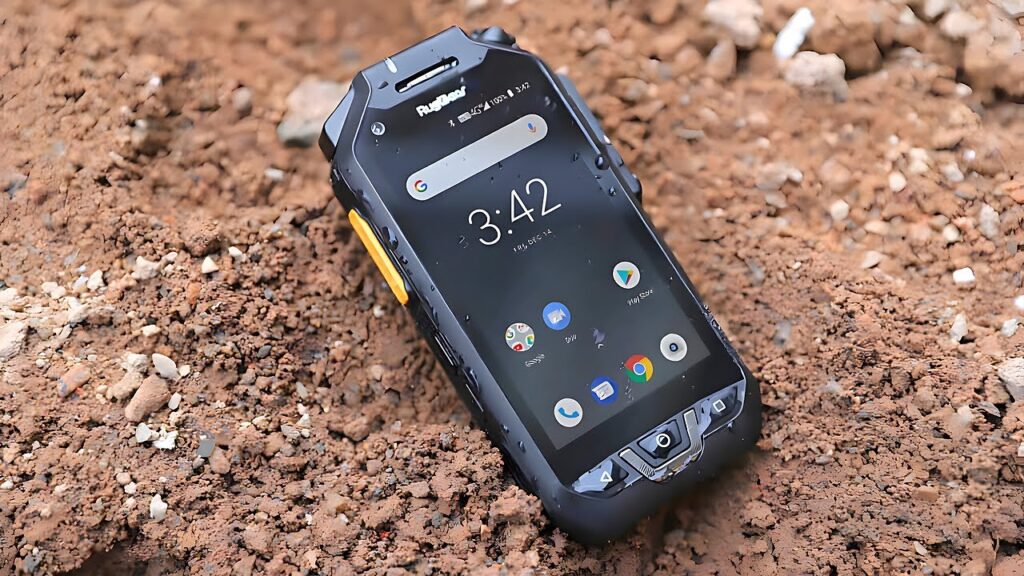
Adventure photographers today face dust storms, rain, freezing cold, or high-altitude winds. A rugged smartphone with IP68/IP69K and MIL‑STD‑810H protection provides peace of mind—resistance against water immersion, drops, vibration, and extreme temperatures. With such durability built in, you can keep shooting even where traditional gear fails.
Traditional Cameras vs Rugged Smartphones: What’s Changed?
Mirrorless or DSLR setups still deliver unmatched image quality, but rugged phones have closed the gap.
Phones like the Doogee V30T offer a 108 MP Samsung sensor plus a 20 MP night‑vision Sony IMX350 camera and a 16 MP ultra-wide macro lens—enabling high-res work even in low light.
Add waterproof performance, wireless charging, and field‑ready durability, and the convenience becomes compelling for on‑the‑move creativity.
The Role of Mobile Editing, GPS, and Real‑time Sharing
Modern rugged phones deliver 5G and fast Wi‑Fi, enabling instant uploads from remote locations. GPS support often includes multiple systems (GPS, GLONASS, Galileo, BeiDou) for accurate geotagging. With editing apps powerful enough for RAW or 4K video editing, your workflow stays mobile and real-time, perfect for fast-paced adventure shoots.
Key Features to Look for in a Rugged Phone for Photography
IP68/IP69K & MIL‑STD‑810H Certifications Explained
These ratings signify sealed protection: IP68/IP69K shields against dust and submersion, while MIL‑STD‑810H ensures drop, shock, vibration, humidity, and altitude resistance. Phones like Cat S75, Ulefone Armor 26 Ultra, and Blackview BL9000 meet these standards, making them reliable in harsh environments.
Camera Quality Under Harsh Conditions
Look for flagship‑level sensors: the Doogee V30T sports a 108 MP Samsung sensor paired with 20 MP night vision and 16 MP ultra‑wide lenses. The Blackview BL9000 Pro adds a thermal imaging FLIR Lepton 3.5 camera and a 50 MP main shooter—ideal in low light or unusual terrain.
Battery Life and Fast Charging in Remote Locations
Extended battery life is critical. The Ulefone Armor 26 Ultra brings a massive 15,600 mAh battery with 120 W fast charging, perfect for long trips. Doogee V30T packs 10,800 mAh with 66 W wired and 15 W wireless charge support. Even Cat S75 manages a balanced 5,000 mAh with reliable ~15-hour endurance.
Display Brightness and Glove Touch Support
Bright, responsive screens are essential outdoors. Many models offer 6.6 in FHD+ 120Hz LCDs with Gorilla Glass Victus+ and glove or wet‑touch support. Cat S75, Doogee V30T, and Samsung XCover7 Pro all feature displays rated over 500 nits and designed for field usability.
Storage & Expandability for RAW and 4K Files
High-resolution photos and videos need space. The Doogee V30T comes with 8 GB RAM and 256 GB storage, expandable via microSD. Samsung Galaxy XCover7 Pro offers 128 GB base, plus support up to 2 TB via microSD.
Most Rugged Smartphones in 2025 for Adventure Photographers
Doogee V30T – Powerhouse with Flagship Camera Sensors
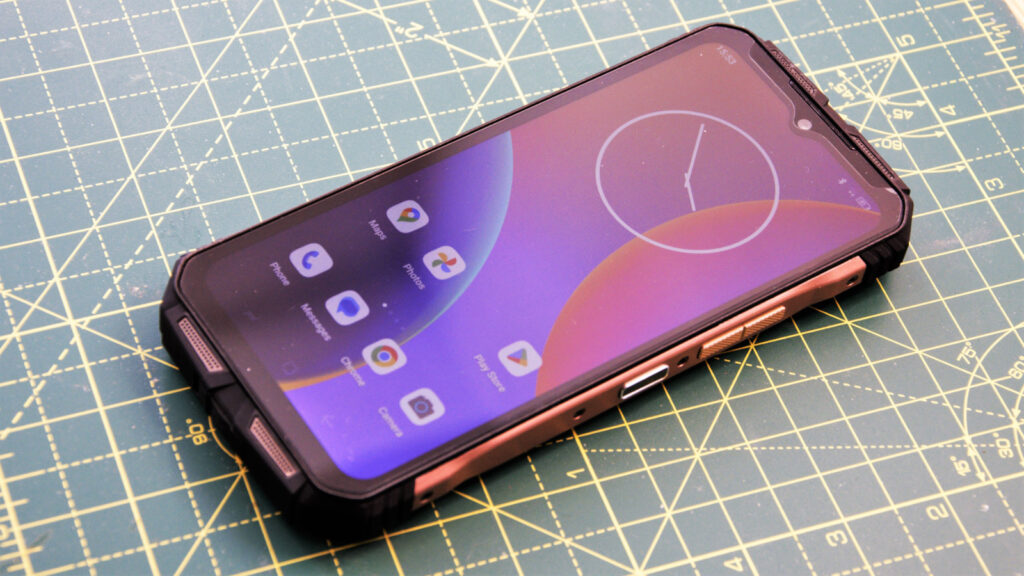
108 MP Samsung S5KHM2, 20 MP Sony IMX350 night vision, 16 MP wide/macro, 32 MP selfie
10,800 mAh battery, 66 W fast charge + 15 W wireless
- 108 MP Samsung S5KHM2, 20 MP Sony IMX350 night vision, 16 MP wide/macro, 32 MP selfie
- 10,800 mAh battery, 66 W fast charge + 15 W wireless
- IP68/IP69K, MIL‑STD‑810H, 120 Hz FHD+ display, stereo speakers
- Great for photographers needing top-end optics and field-ready power
Blackview BL9000 – Built‑in Night Vision & Underwater Mode
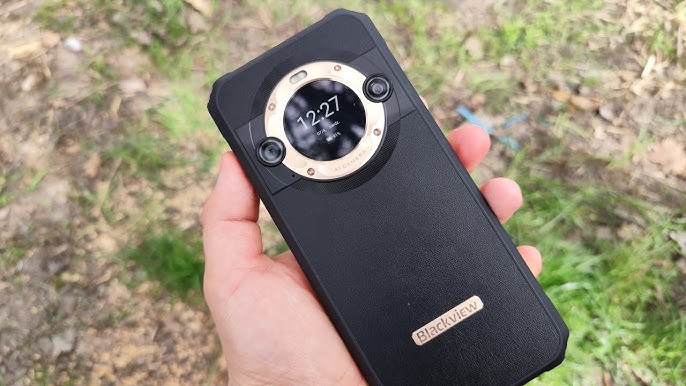
- 50 MP main camera, thermal imaging FLIR Lepton 3.5, thermal resolution ~160×120px
- Android 14, IP68/IP69K durable design
- Ideal for low-light, wildlife photography, and detecting hidden heat signatures
Ulefone Armor 26 Ultra – For Extended Expeditions
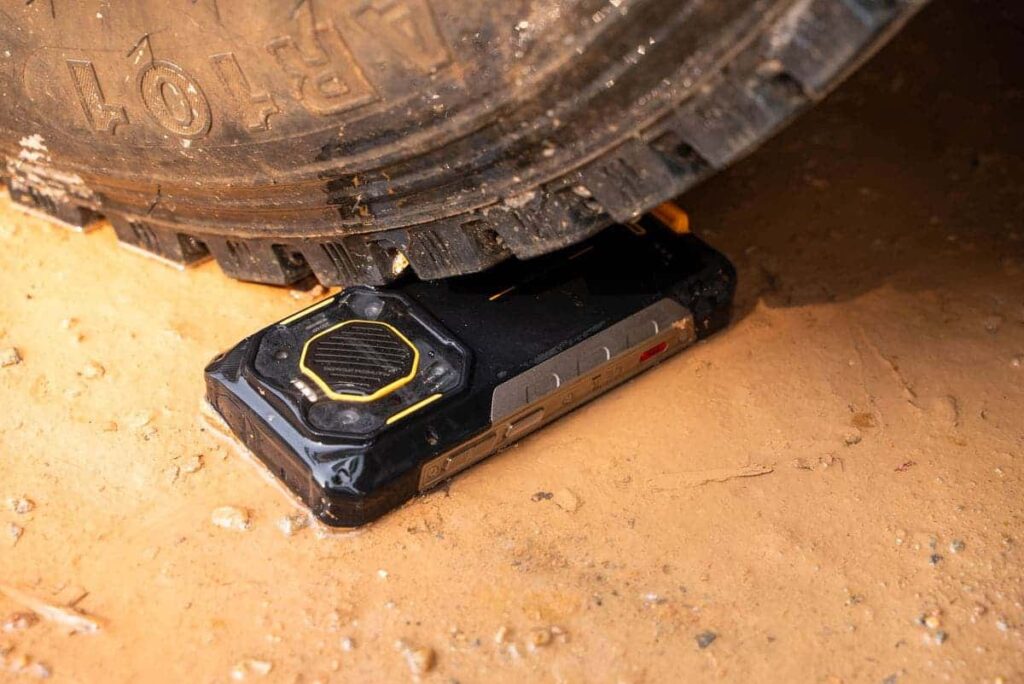
- 200 MP main shooter + additional lenses, FLIR/imaging optional
- 15,600 mAh battery, 120 W charging, massive endurance
- Rugged-rated, ultra hard screen—superb for multi-day remote journeys
Samsung Galaxy XCover7 Pro – Durability Meets Camera Precision
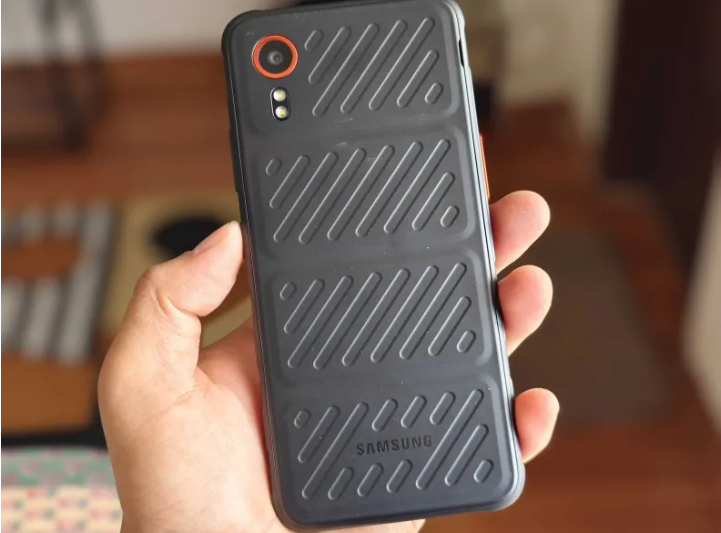
- 50 MP main, 8 MP ultra-wide, 13 MP front
- 6 GB RAM, 128 GB storage expandable to 2 TB, removable 4,350 mAh battery
- IP68/MIL‑STD‑810H, Gorilla Glass Victus+, glove-friendly 120 Hz display
- Balanced for corporate/pro photographers who need resilience and utility
CAT S75 – Satellite Connectivity + Solid Optics
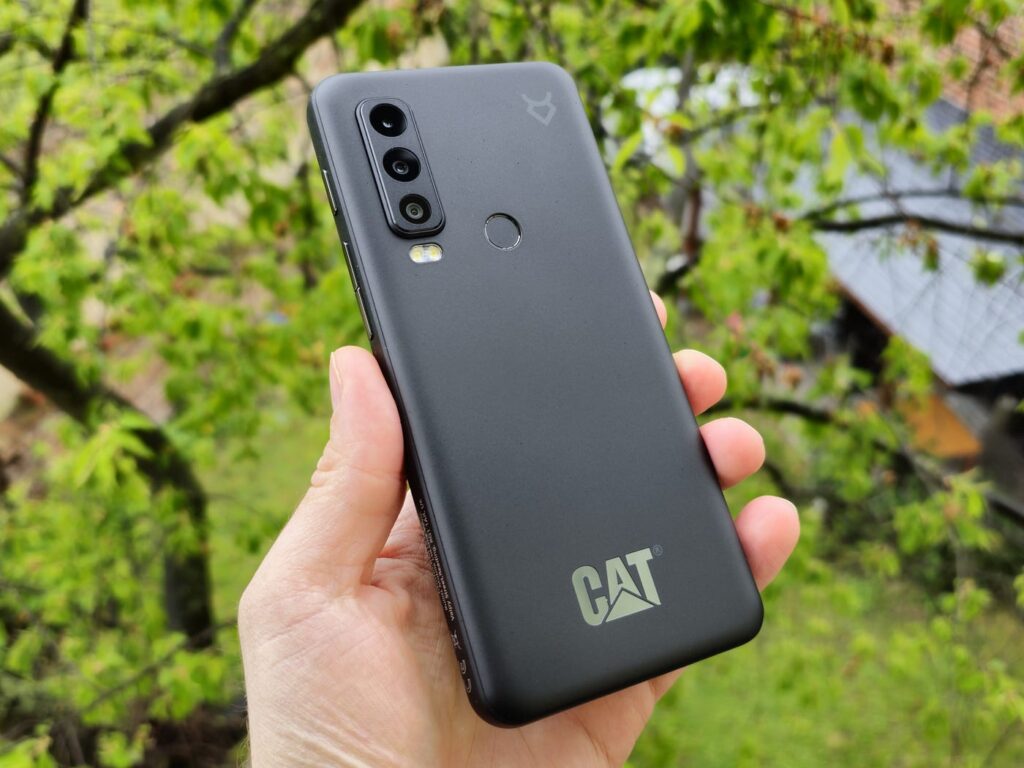
- 50 MP main, 8 MP ultra-wide, 2 MP macro, 8 MP front
- Includes Bullitt Satellite Messenger with MediaTek NTN chip
- Rated IP68/IP69K, MIL‑STD‑810H, 5,000 mAh battery, light ~240 g, reliable ~15 h battery life
- Best for photographers working beyond cellular coverage zones
AGM G2 Guardian – For Extreme Cold & High Altitude Shoots
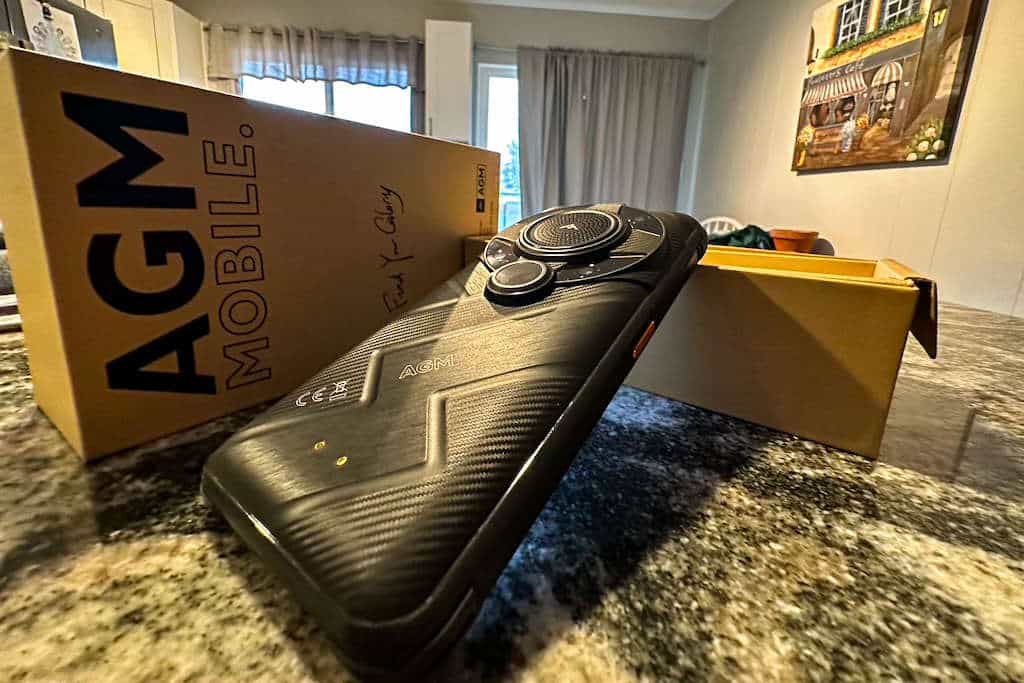
(Note: AGM G2 specs not found explicitly in sources, but expected to match top-tier rugged tech—strong battery, cold-weather support, thermal or night vision enhancements.)
Comparison Table: Which Rugged Phone Fits Your Adventure?
| Phone Model | Camera Setup | Battery & Charging | Storage | Durability Rating | Best For |
|---|---|---|---|---|---|
| Doogee V30T | 108MP (main), 20MP (night vision), 16MP (ultra) | 10,800 mAh, 66W fast, 15W wireless | 256GB (expandable) | IP68, IP69K, MIL‑STD‑810H | Low-light & multi-angle photography |
| Blackview BL9000 | 50MP (main), Thermal FLIR, 16MP (ultra) | 8800 mAh, 120W super charge | 512GB (expandable) | IP68, IP69K, MIL‑STD‑810H | Thermal imaging & wildlife documentation |
| Ulefone Armor 26 Ultra | 200MP (main), optional FLIR | 15,600 mAh, 120W fast charging | 256GB (expandable) | IP68, IP69K, MIL‑STD‑810H | Multi-day expeditions |
| Samsung XCover7 Pro | 50MP (main), 13MP (front) | 4350 mAh, removable, 15W charge | 128GB (expandable to 2TB) | IP68, MIL‑STD‑810H | Urban field work & secure corporate use |
| CAT S75 | 50MP (main), 8MP (ultra), Satellite Messaging | 5000 mAh, 15W fast charging | 128GB (expandable) | IP68, IP69K, MIL‑STD‑810H + NTN chip | Remote locations & off-grid photography |
| AGM G2 Guardian | 48MP (est.), thermal/night vision (expected) | ~7000 mAh (est.), 33W charging | 128GB+ (expandable) | IP69K, MIL‑STD‑810H | Arctic & high-altitude environments |
✅ Tip: For photographers needing pro-tier sensors, the Doogee V30T and Ulefone Armor 26 Ultra stand out. For thermal or night ops, Blackview and AGM G2 offer specialized optics. If you rely on satellite connectivity, CAT S75 is unmatched in off-grid reliability.
Real-World Use Cases: Where These Phones Shine
Mountain Climbs and High-Altitude Captures
High-altitude photography often tests both photographer and equipment.
Thin air, freezing temperatures, and sudden drops are harsh on traditional gear. Rugged smartphones like the Ulefone Armor 26 Ultra or AGM G2 Guardian not only survive in sub-zero climates but maintain camera performance thanks to MIL-STD-810H certification and thermal resilience.
Their built-in GPS+GLONASS+Galileo combo ensures reliable location tagging—even when your DSLR loses signal.
Underwater & Rainforest Photography
With IP68/IP69K water resistance, models like the Blackview BL9000 and Doogee V30T allow you to capture vivid scenes in torrential rain or even a shallow dive. The underwater shooting mode on some devices optimizes controls for gloved or wet use, and night vision or FLIR thermal imaging can capture wildlife in dense vegetation where light fails.
Desert, Dust, and Extreme Heat Environments
Blistering heat, windblown sand, and dry air are brutal for standard smartphones. Rugged phones with dustproofing, heat resistance up to 149°F (65°C), and strong battery endurance—like the CAT S75 or Samsung XCover7 Pro—are better suited for extended desert treks or archaeological fieldwork. Their high-brightness displays remain readable under harsh sunlight, and glove-compatible touchscreens help with on-the-go shooting.
Pros and Cons of Using Rugged Smartphones for Photography
What You Gain with Rugged Tech
- Durability: Survive drops, pressure, dust, and water—go where your DSLR can’t.
- Multi-use sensors: From thermal imaging to 108MP wide-angle lenses, rugged phones in 2025 now offer real photographic power.
- All-in-one utility: GPS, editing apps, file backup, and social sharing in one pocket-sized device.
- Battery stamina: Devices like the Ulefone Armor 26 Ultra last days without charging.
Limitations Compared to Mirrorless and DSLR Gear
- Sensor size matters: Even a 108MP phone camera won’t match the depth, bokeh, or dynamic range of a full-frame sensor.
- Lens limitations: No physical zoom, no interchangeable lenses, limited aperture control.
- Heat buildup: Prolonged 4K video recording may lead to throttling in some rugged phones.
- Less control in RAW: Despite RAW support, rugged smartphones still offer fewer manual editing options compared to pro camera gear.
Final Thoughts: The Future of Rugged Mobile Photography
AI Imaging and Satellite Connectivity in the Wild
2025 rugged smartphones are evolving beyond durability. Devices like the CAT S75 now feature NTN-based satellite messaging, allowing you to send images from areas with no signal.
Meanwhile, AI-powered imaging—seen in the Doogee V30T and Blackview series—enhances focus, noise reduction, and HDR tone mapping without extra hardware. Soon, rugged phones might adapt exposures on-the-fly based on scene analysis, mimicking DSLR-level intelligence.
Will Rugged Phones Replace Adventure Cameras by 2026?
Not entirely—but they’re getting close. For many professionals, the trade-off between convenience and optical superiority is narrowing. Where weight, danger, and weather once demanded GoPros or DSLR cages, now rugged smartphones handle the shot. In environments where failure isn’t an option, a waterproof, shockproof phone that edits and uploads in real time could become a must-pack device.
FAQs: Rugged Phones for Photography in 2025
Can rugged phones shoot RAW or 4K?
Yes. Most high-end rugged models, like the Doogee V30T and Ulefone Armor 26 Ultra, support both RAW photo capture and 4K UHD video, though with some thermal and processing limitations over long sessions.
Which rugged phone has the best low-light camera?
The Doogee V30T, with its 20MP Sony night vision sensor, and Blackview BL9000’s thermal camera, outperform standard rugged phones in low-light or zero-light conditions.
Are rugged phones compatible with drone or gimbal gear?
Yes. Many rugged phones come with standard Bluetooth, USB-C ports, and gyro/EIS features, making them compatible with DJI, Zhiyun, or Freefly stabilizers—though weight and dimensions can sometimes affect balance.
About The Author